
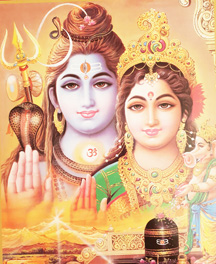
Shiv - Parvati
Westminster London
Purush - Prakriti (Sky - Mother Nature)
Vasudhaiva Kutumbakam
(The World Is One Family)
Ann, mnn, tnn (you are, what you eat)
Welcome - Inspired by Sanatan Dharm, this website explores at least 5000 years ways of nurturing fertile qualities of Mother Earth (climate awareness), the importance of family values, and Ayurved (the science of life).
Index: The simplified and summarised versions of:
1. Shiv's Manifestation
2. Administration
3. Timeline - beginningless and endless explained
4. Language
5. Democracy
6 Family Values
7 Ayurveda (The Science of Life)
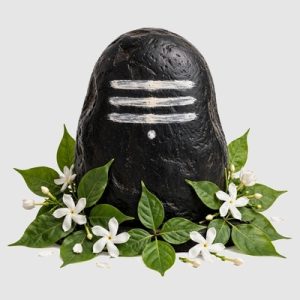
Jyotirlings
To end Brahma and Vishnu's debate on supremacy, Shiva appeared as an infinite pillar of light — Jyoti. Unable to find its end, they bowed. Where that boundless light pierced the earth, 12 self-manifested lingas emerged.
Sanatan Dharm
Sanatan Dharm - an open book simplified via the summarised versions of:
► Eternal Vedas, enlightening Upnishads
► Sacred Geeta, life's timeless guide
► Epic Mahabhart, timeless Ramayan tales
► Twelve luminous Jyotilings of Shiv
► Fifty One divine Shaktis of Shakti
► Four sacred Dhams, soul's journey
► Inspiring narratives revealing eternal truth
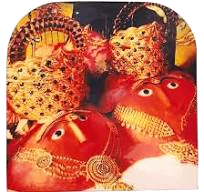
51 Shakti Peeths
When Sati's body was dismembered by Vishnu's Sudarshan, 51 sacred pieces fell across Bharat. Where each fell, a Shaktipeeth emerged — power centers of Divine Mother. Visiting them awakens Shakti, destroys negativity, and fulfills wishes through Maa's eternal grace.
1. Shiv's Manifestation
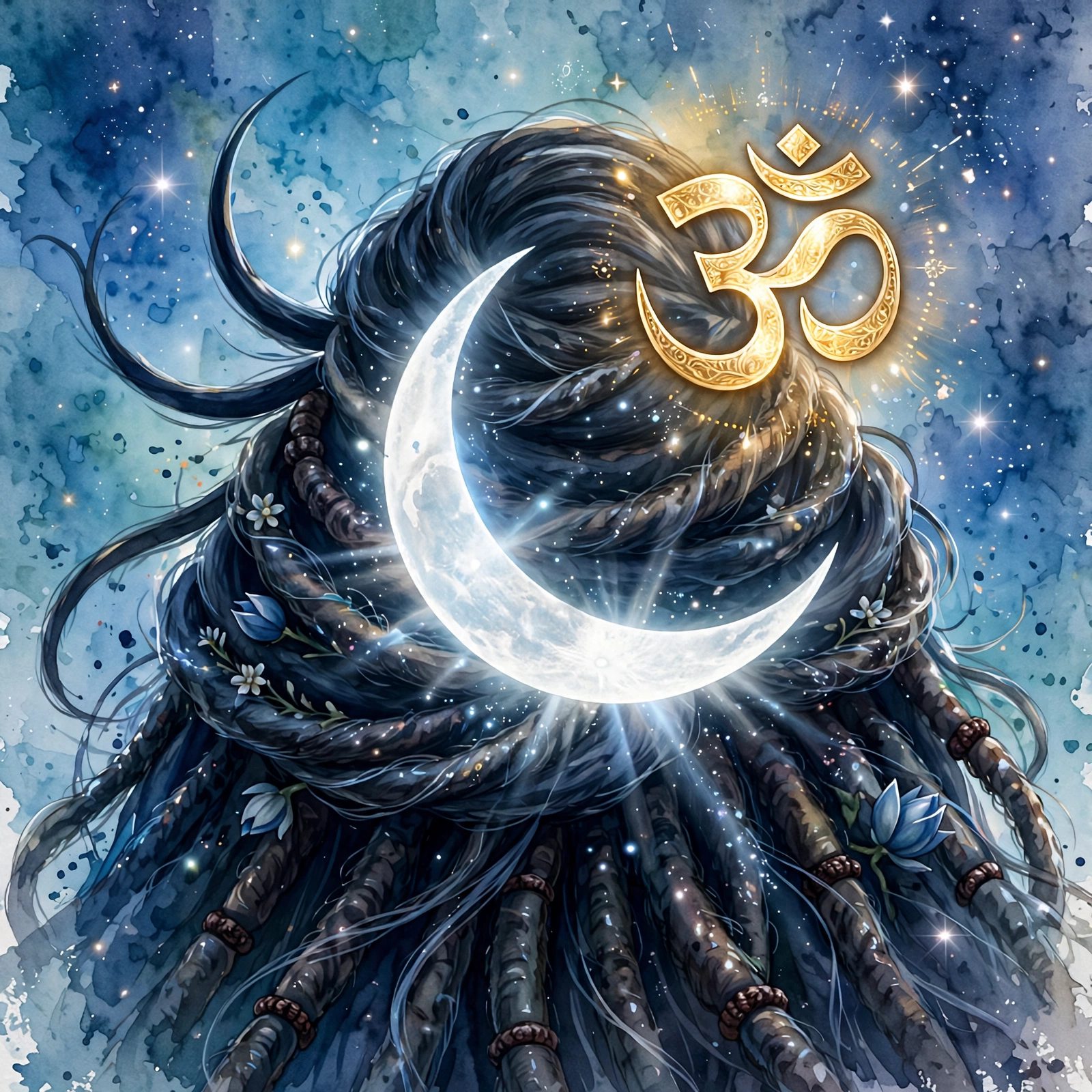
Rudra Avatar - The One Who Cried
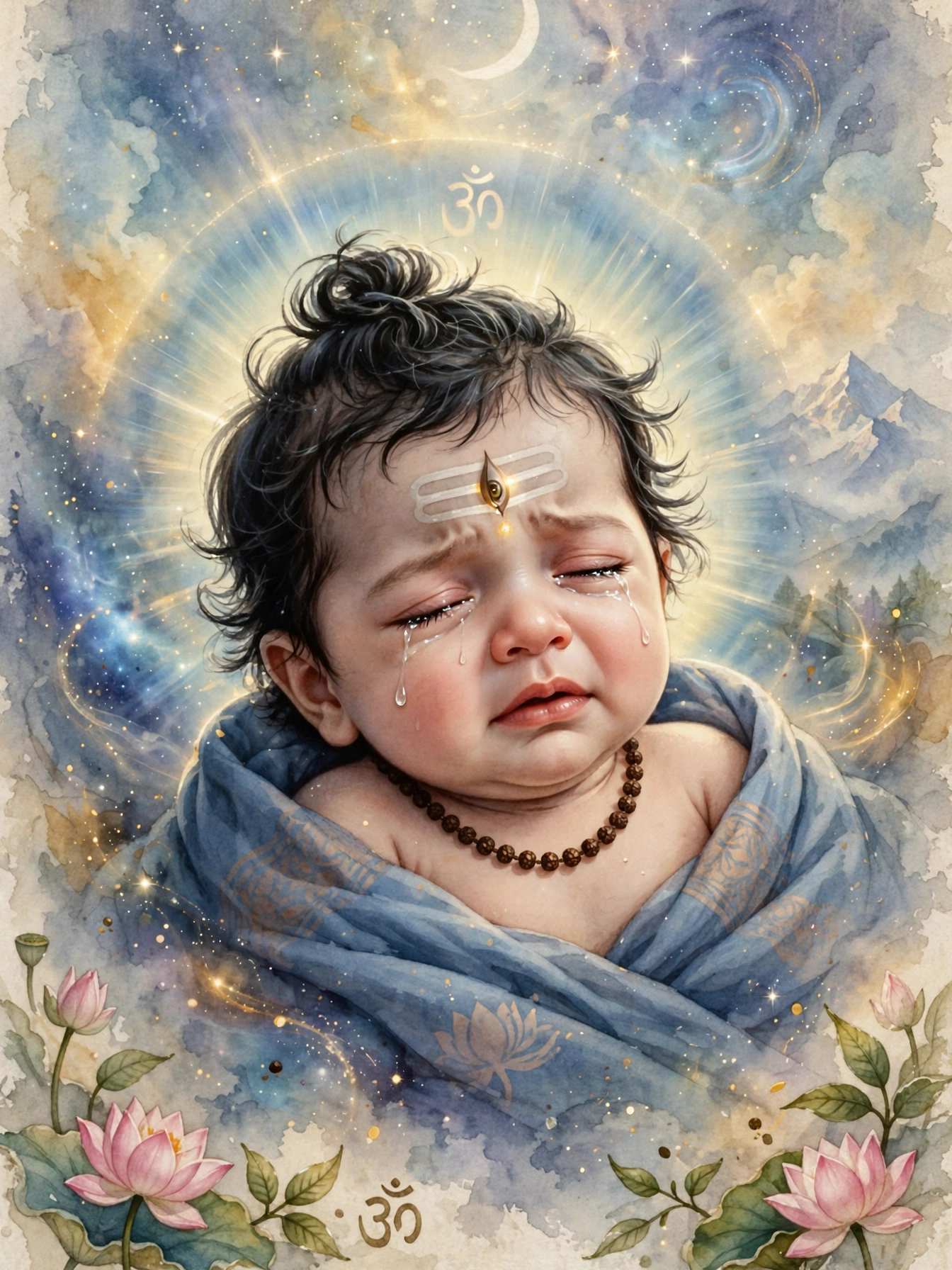
Before creation, there was only Shiv who created Vishnuji who then created Brahmaji. Both requested Shivji - "Please be with us to take care of the ending." Out of compassion, Shivji self-manifested.
But having no desire to be involved with the worldly affairs, he cried a lot.Therefore he was called Rudra - One Who Cried. And ending does not mean cruelty. Ending means to end the five inner enemies of every human: Kama (desire), Krodh (anger) , Lobh (greed), Moh (attachment), Ahankar (ego) - not to destroy us, but to liberate us
2. Administration
The Divine Management of the Universe
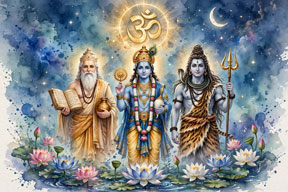
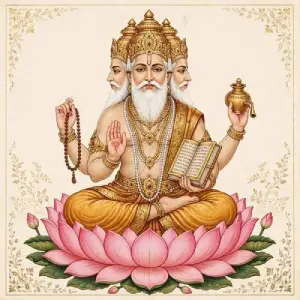
Brahma (The Creator): Brahma brings the universe and all living beings into existence. He starts the cosmic clock.
Vishnu (The Preserver): Vishnu maintains order, stability, and righteousness. He protects life and takes earthly forms (avatars) when evil grows too strong.
Mahesh / Shiva (The Destroyer): Mahesh breaks down the old universe. This destruction is not evil; it clears away the old so new life and rebirth can happen.
The Seven Universal Elements
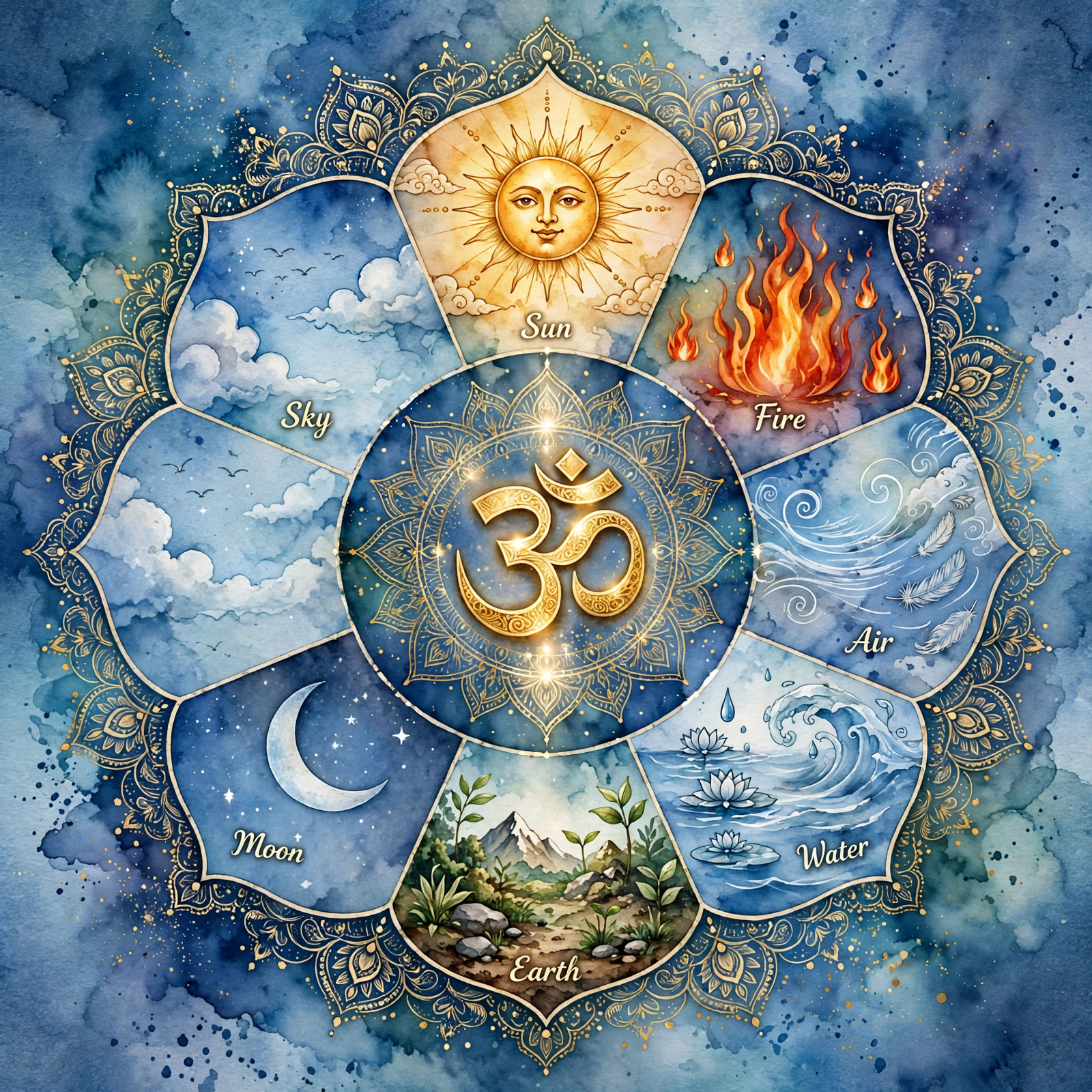
Earth - Prithvi (mountains & plants)Water - Jal (waves & lotus)Air - Vayu (feathers & wind)Fire - Agni (flames)Sun - Surya (golden face)Sky - Akash (clouds & birds)Moon - Chandra (crescent)
3. Timeline
Cosmic and Cyclical
Beginningless and Endless
Kal (Time): Time is infinite and cyclical, moving through vast repeating loops yugs.
Saty Yug: The age of ultimate truth and righteousness.
Treta Yug: Virtue decreases slightly; era of the Ramayan.
Dvapar Yug: Further decline in morality
Kali Yuga: The current age of moral decline, which began around 3102 BCE.
Brahmaji's Timeline
Sanatan Cosmic Time Cycle
1 Brahma's Life — 100 Brahma Years — We are in 51st Year
2 Shveta-Varaha Kalpa — Current Day of Brahma — 4.32 Billion years
3 Vaivasvata Manvantara — 7th of 14 Manus
4 28th ChaturYuga — of 71 ChaturYugas in this Manvantar
5 Kali Yuga — Present Age — Started 18 Feb 3102 BCE — 5,127 years completed in 2026 — Total 432,000 years — 426,873 years remaining
Key Structure:
6 4 Yugas = 1 ChaturYuga = 4.32 Million years
7 Satya Yuga 1.728 Million, Treta Yuga 1.296 Million, Dvapara Yuga 864,000, Kali Yuga 432,000
1,815 Yugas completed in this Kalpa, we are in 1,816th Yuga
4. Language
From Sanskrit To Transliteration
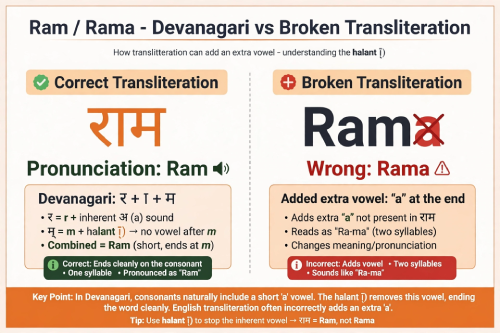
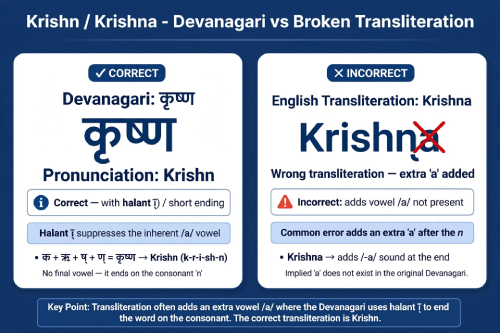
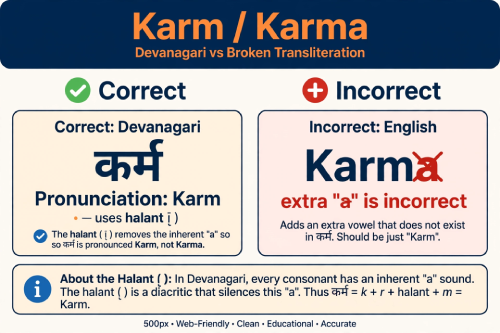
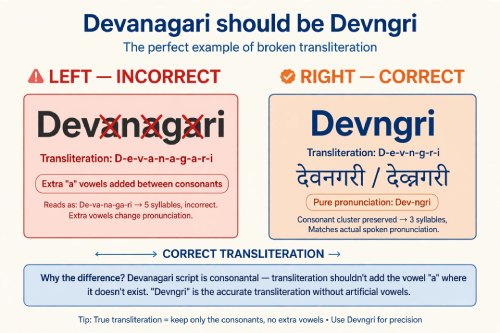
When we write Ram in Devngri, we write Ra + aa + Ma. It ends with Ma. There is no extra 'a'. It is Ram.
In 1870s, British officer William Hunter created Hunterian system to write Indian names in English. His system added an extra 'a' at the end of every word that ends with a consonant in Devngri, because English could not show halant. So Ram became Rama, Yog became Yoga, Karm became Karma. For 150 years we have followed this British guess. It is time to restore original Devngri - Sanskrit as Global Written Language
5. Sanatan Dharm is Democracy
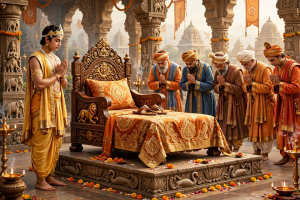
Bharatji with Ram's Padukas
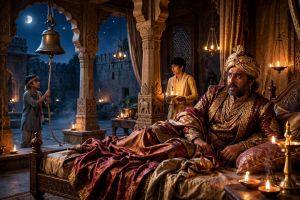
Sidharth's (Gautam Budh) brother with justice bell
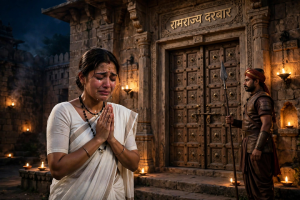
Woman seeking justice at Ramrajy
Sanatan Dharm is Democracy - not by imitation, but by origin. From its inception, Bharat had a system where power was never personal. The King's happiness lies in the happiness of the people. It was never about voting alone, but about Dharma as the constitution that binds even the King - Praja Sukhe Sukham Ragyah. Read more with examples
6. Vasudhaiv Kutumbakam
(The World is One Family!)
Original Shloka from Maha Upanishad 6.72:
Ayam bandhur-ayam neti ganana laghu-chetasam
Udar-charitanam tu vasudhaiva kutumbakam
Word by Word Meaning:
Ayam bandhuh - This one is my relative / my own
Ayam na iti - This one is not mine / stranger
Ganana - This calculation / counting / division
Laghu-chetasam - Of small-minded people, narrow thinking
Udar-charitanam - Of big-hearted people, noble character
Tu - But / On the other hand
Vasudha eva - The entire earth itself
Kutumbakam - Is a family
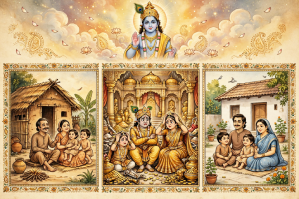
Sudama's Family
Sudama was poor, but his family was rich in love.His hut was small. His heart was big.
Sudama lived in a tiny mud house with his wife and children. There was not much food, but there was laughter. They ate simple roti, shared one mat, and slept peacefully. His wife, seeing children hungry, said one day, "Go to your school friend Krishn in Dwarka. He is King now. He will help."
Shiv Family
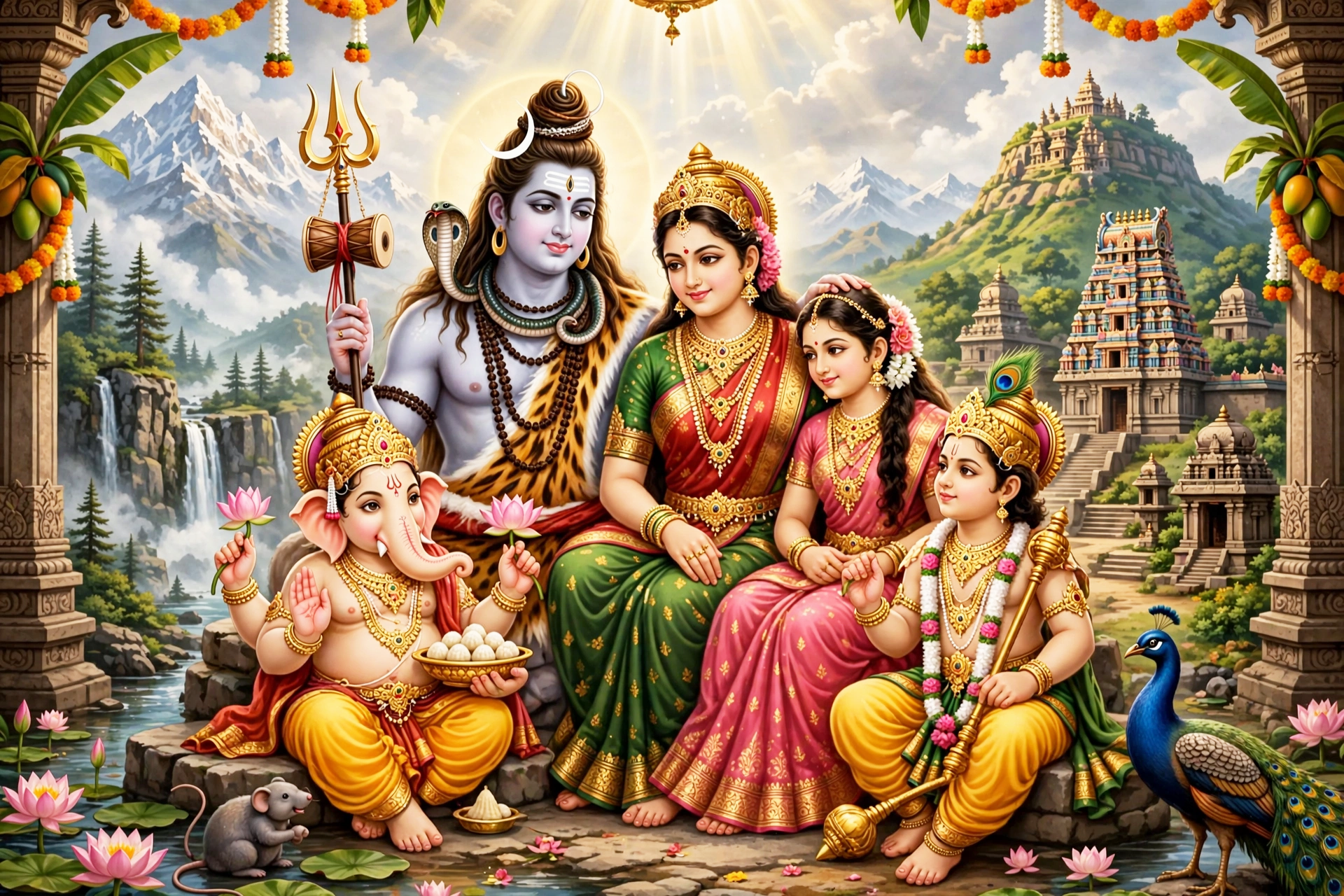
Once Narad ji gave a divine fruit to Shiv Parivar. Both Ganesh ji and
Kartikeya ji wanted it. Shivji said - who circles the world first will
get it.
Kartikeya flew on his peacock around the whole world. Ganesh ji, with his wise mind, circled his own parents Shiv-Parvati, saying
"You are my whole world."
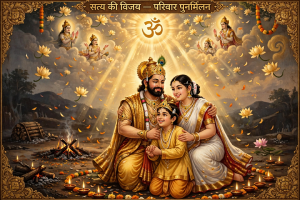
King Harishchandra's Family
King Harishchandra gave away his entire kingdom to Rishi Vishwamitra to keep his promise of truth (Satya). He sold his wife Queen Shaivya and son Rohitashva and himself to survive.
His wife worked as a maid, his son died from snake bite, and he worked as a shamshan keeper.He never broke his truth, even when he had to take coin from his own wife to cremate his own son.
Seeing his supreme sacrifice for duty, Devatas returned everything. Family was reunited, kingdom returned, son came alive.
Family Value: Sometimes duty requires painful sacrifice, but if family holds love and truth, they always come back together. Truth protects family in the end.
7. Ayurved (the science of life)
- Doshas: Every person has three energy forces, called doshas (Vata, Pitta, and Kapha). Health problems happen when these energies are out of balance.
- Mind and Body: The simple and inexpensive Ayurveic treatments and food aims to unite the mind, senses, and soul to create wellness and prevent disease.
Ayurvdic Diet



Anti-inflammatory, purifies blood and balances Pitta & Kapha.
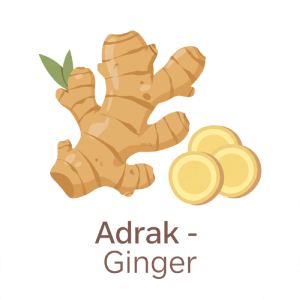
Kindles digestive fire (Agni), removes Ama and balances Vata-Kapha.
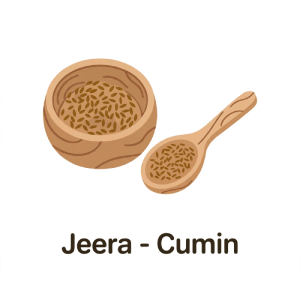
Improves digestion, cools Pitta and helps absorb nutrients.
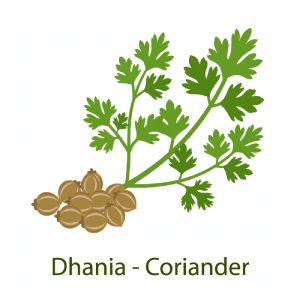
Cooling, good for Pitta, helps in acidity and detox.
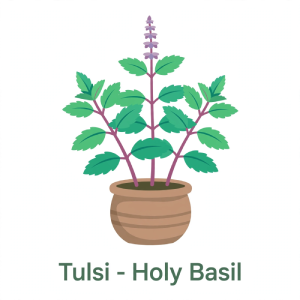
Immunity booster, balances all three Doshas and cleanses mind-body.

Increases Ojas, nourishes brain, balances Vata-Pitta, carrier of herbs.
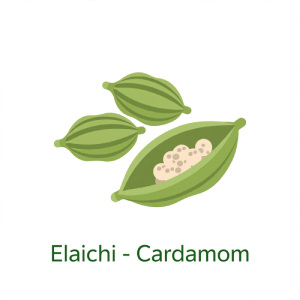
Cooling, good for Pitta, helps in acidity and detox.
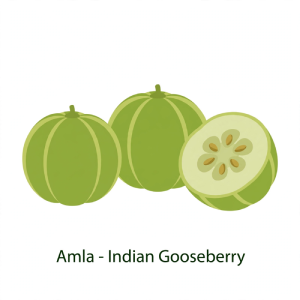
Rich in Vitamin C, rejuvenates, balances Pitta and builds immunity.

Widely used, kindles Agni, helps digestion - use fresh and in moderation to balance Vata-Kapha.

5 Dals we use at Shiv Parvati Nivas:
1. Yellow Moong Dal: Cooling, easiest to digest, best for daily use and healing.
2. Red Masoor Dal: Warming, iron-rich, quick to cook.
3. Yellow Toor Dal: Earthy, nourishing, classic home dal.
4. Black Urad Dal: Strength-giving, grounding, used on special days.
5. Green Moong (Chilka): Fiber-rich, detoxifying, balances Pitta.
When we add ghee, it becomes Yogavahi - it carries the healing properties deep into the tissues. A simple kitchari of Moong Dal and rice is considered the most perfect, complete food in Ayurveda.This is why Dal is served daily to keep our guests light, healthy, and Sattvic.
Appendices
The Divine Administration of the Universe continued ....
Once creation exists, it must be sustained. This is the role of Vishnu. He is the Palanhar. His job is not just to keep the world running, but to keep dharma alive within it. When balance is lost, when adharma rises, he descends himself - as Rama, as Krishna, as many avatars. He lives among us to show us how to live. He sustains our breath, our food, our relationships, our hope. While Brahma creates the law, Vishnu ensures we have the love and strength to follow it. He is the protector who never sleeps on Sheshnaag, always watching.
But what happens when creation grows old? When bodies decay, when thoughts become impure, when the five enemies - Kama, Krodha, Lobha, Moha, Ahankara - completely take over the soul? Creation cannot simply go on accumulating. It needs cleansing. It needs liberation.
This is why both Brahma and Vishnu prayed: "Please be with us to take care of the ending."
Out of pure compassion, Shivji, as Rudra, self-manifested. His role is the most misunderstood and most merciful. He is not a destroyer of people; he is the destroyer of impurity. He is Samharak and also the ultimate healer.
Rudra does not end life; he ends that which prevents true life. He ends the ego so the soul can breathe. He ends the old, rotting leaf so a new one can sprout. He is the fire that burns the field after harvest to make the soil fertile again. In our own lives, every time a bad habit ends, every time anger leaves us, every time we are freed from greed - that is Rudra at work.
Thus the administration is complete and perfect:
Brahma gives us birth. Vishnu gives us life. Rudra gives us liberation.
One creates the journey, one protects the traveler on the journey, and one frees the traveler from the need to journey again and again.
They are not three separate Gods competing. They are three functions of the one supreme Shiv-Shakti, working together like the sun that rises, shines at noon, and sets - all the same sun, serving the same world. Click UP

Sanskrit to Transliteration continued ....
Valmiki Ramayan gives world geography in Kishkindha Kand when Sugriv sends search parties for Sita.
To the east, he mentions Yava Dweep which is Java, and Suvarna Dweep which is Sumatra. To the west, he mentions Yavana which is Greece, and Barbara Desh which is land of Berbers in Africa. To the south, across the ocean, he mentions Patala.
These are not myths. These are maps.
The river Nil in Africa carries the same name as Sanskrit Nil, which means blue or dark. The people of Africa and the Native people of America were both Sun worshippers. In India we worship Surya. In Egypt, Sun was Ra. In Inca culture of America, Sun was Inti, and Sun Dance is similar to Surya Namaskar.
Ram is Suryavanshi, from Sun dynasty. His culture of Sun worship was once global. Caribbean islands today have large African origin population, showing old connection between Africa and America, which our Puranas called Patala.
This shows Sanskrit names like Nil, Barbara, Yava, Yavana were original global names, later pronounced differently in local languages.
How Old is Sanskrit?
British scholar Max Muller in 1850s said Rigveda is 3500 years old, around 1500 BCE. This date was a guess without proof.
Rigveda describes Saraswati as a mighty flowing river. Satellite images from ISRO and groundwater studies show Saraswati dried up around 3000 BCE, more than 5000 years ago. So Rigveda must be older than 5000 years.
Valmiki Ramayan gives planetary positions for the birth of Ram. When calculated with modern planetarium software, it shows around 7323 BCE, more than 9300 years ago. Ram Setu, the bridge between India and Lanka, shows sea levels that match around 7000 BCE.
Mahabharat gives planetary positions before the war, which calculate to around 5561 BCE or 3139 BCE for start of Kali Yuga. Underwater city of Dwarka in Gujarat shows remains from around 3000 BCE.
So Ramayan and Mahabharat themselves have a gap of more than 2000 years between them. Western timeline which squeezes both into 3500 years does not match the texts.
Sanskrit is therefore not 3500 years old. It is at least 7000 to 9000 years old.
During this long period, many local spoken dialects existed, just like today we speak Punjabi or Bhojpuri at home. But the official written language for history, geography, and treaties was Sanskrit in Brahmi script, which is the mother of Devngri. Ashoka's inscriptions from 300 BCE are in Brahmi. This is why old world maps survive in Sanskrit.
Restoring Original
If Sanskrit was the global written language and is thousands of years older than believed, then original Devngri spelling must be the world standard.
Sun is Sun everywhere. We do not call it Suna. Similarly, Ram is Ram everywhere. Writing it as Rama adds a sound that does not exist in original.
Yog is Yog, not Yoga. Karm is Karm, not Karma. Geeta is Geeta with correct pronunciation.
Our job is not to argue with anyone. Our job is to promote our product, which is original culture.
Original is Ram = Ram. This is written in Valmiki Ramayan for more than 7000 years. British Hunterian wrote Rama in 1870s for 150 years. We are restoring 7000 year old original over 150 year old guess.
When we write Ram correctly, we promote Sun culture, we promote one world family that knew Yavana, Barbara, Yava, and Patala long before modern maps.
Let world write Ram as Ram.
Sanatan-Democracy continued ....
Sanatan Dharm is democracy, a consciousness, where the state is accountable to the last person. It is a natural law of life and governance, democracy did not begin with an election, it began with inception itself, with the concept of Dharma as supreme.
In Western models, the King makes the law. In Sanatan model, Dharma makes the law, and even the King must obey it. The King is defined as Dharmasya Gopta - protector of Dharma, not creator of it. The Ramayana and Mahabharata are not religious stories; they are Rajya Shastra, showing how this worked in practice.
First, consider the principle of trusteeship. When Shri Ram went to Vanvas for 14 years, Bharat had every opportunity, public support, and royal mandate to become King. He refused. He placed Ram's Padukas on the throne and ruled as a representative, not as a ruler. This is the first recorded example of constitutional morality in the world. Power was not seized because it was available; it was held in trust because Dharma demanded it.
Second, consider access to justice. We are told of a time when a teenage boy, brother of Siddharth who later bcome known as Gautam Buddh, rang the Nyay Ghant - the justice bell hung outside the palace - in the middle of the night. A King sleeping after a day of Raj-kaj was awakened, not angry, but duty-bound to come to court at that moment. In Sanatan Rajya, the bell was not symbolic; it was a legal right. It proved that the state never sleeps when a citizen suffers. Some kingdoms had no doors.
Third and most importantly, consider social democracy and women's voice. In Ramrajya, a married woman wearing Mangalsutra and Sindoor stood before the closed doors of Ramrajya Darbar at night, seeking justice against injustice in her own family. She was requested to wait until morning. As justice was denied at night, she went away and committed suicide. Ram was saddened and sent his pregnant wife away to satisfy the public.
These three examples together form a complete democratic structure: trusteeship at the top, accessibility in the middle, and voice for the last at the bottom.
Sudama's family - continued
Sudama did not want to go. He was a simple Brahmin who believed in contentment. But for his family, he walked barefoot all the way to Dwarka, carrying a small packet of poha - the only gift he could afford. In the golden palace, Shree Krishn did not see a poor man. He saw his dearest friend. He ran, hugged Sudama, washed his feet, and fed him with his own hands. It was pure love, Vasudhaiva Kutumbakam in action - friendship beyond rich and poor.
Then came Krishn's blessing. He could not see his friend suffer. By his divine power, when Sudama returned, his old hut had become a palace. Gold pots everywhere. Silk clothes. Jewels. Servants. At first, Sudama's wife was amazed. Children wore gold. But soon, peace disappeared.
The palace needed cleaning. Gold needed guarding. Servants needed managing. Children started fighting over jewels. His wife worried about thieves. Simple roti was replaced by rich feasts that made them sick. Neighbours who once came for love, now came only to ask for money. The family that once sat together and talked, now sat in different big rooms, alone. The house became big, but the family became small. It was an inflated family - puffed up by wealth, like a balloon full of air, ready to burst.
This is the part our scriptures hint at but we forget. Too much, too fast, can break a simple heart.
Sudama saw it. He was wise. He went back to Dwarka, not to ask for more, but to ask for less. He folded his hands before Shree Krishn and said, "My friend, you gave me everything out of love, and I am grateful. But this gold has taken my family away from me. My children no longer smile. My wife no longer sleeps. Please, take back this palace. Give me back my modest house, my simple food, my peace. That is the only wealth I want."
Shree Krishn smiled. This is why he loved Sudama. Sudama understood what many kings never understand. So Krishn blessed him again - this time, not with gold, but with balance. The palace became a modest, clean, strong house. Enough food, enough clothes, no excess. The family came back to the courtyard, sat together, and ate simple, healthy food again. Their health returned. Their laughter returned.
This is the real lesson of Sudama for Shiv Parvati Nivas CIC. Our first purpose is Family Values. Family value is not how big your house is, but how big your togetherness is. Mother Nature also teaches this - she gives enough, never excess. And healthy eating - Ann, Mann, Tann - comes from simple, shared food, not rich feasts that make the body sick.
Sudama teaches us that friendship is true wealth, contentment is true palace, and a peaceful family eating together in a small house is richer than a stressed family fighting in a palace.
Today, when the world runs behind more and more, Sudama asks us to stop and ask: Do we need a bigger house, or a happier family? At Shiv Parvati Nivas, we choose family.
Shiv-Parvati - continued
Ganesh ji won. Kartikeya felt hurt and said "If my world is not here,
I will make my own world." He left Kailash and went to the South -
to Palani hills.
As a father, Shivji did not get angry. He did not force Kartik to return.
He understood his son's heart. Shivji and Parvati ji followed him to
the South. Shivji became Mallikarjun Jyotirlinga at Srisailam, close
to his son, and blessed Kartik to be King of South as Murugan, Subramanya.
Parvati ji with daughter Ashokasundari, Ganesh ji and all, always showered
love on him. Even far, family stayed connected.
Family_Values:
In Shiv Parivar we learn - A family does not hold, it supports.
When a child wants to find his own path, a true father does not chain
him, he blesses him and stays near. Even when Kartik went South,
Shivji made sure his son shines brightest there.
Love is not control, love is support.
And with daughter, two sons, all different vahanas - mouse, peacock,
lion, Nandi - they all live together. This is Vasudhaiva Kutumbakam -
Unity in Diversity.